Automatic Irrigation Systems
Automatic Irrigation Systems
Automatic irrigation systems are systems developed to meet the water needs of plants and work without the need for human intervention. These systems perform the irrigation process by automatically distributing water within specified time periods or according to the needs of the plants. Automatic irrigation systems provide great convenience and time savings, especially in irrigation of large areas.
These systems have become an important part of modern agriculture. With the development of technology, automatic irrigation systems have become even smarter and more precise. Many systems can now analyze weather data and adjust water needs accordingly. This allows for more efficient use of water and helps plants grow healthily.
Automatic irrigation systems can be adapted to different needs. There are many different application areas from agricultural areas to gardens and greenhouse environments. The flexible nature of the systems allows users to find solutions that suit their needs. Companies equipped with advanced technology such as Demirtaş Geothermal offer various solutions in this field.
Advantages of Automatic Irrigation Systems
One of the most obvious advantages of automatic irrigation systems is water savings. Compared to traditional irrigation methods, these systems deliver water more accurately to the root zone of the plant. This, in turn, helps to evaporate less water and avoid waste. This feature is very important, especially in regions where water resources are limited.
Another important advantage is time savings. Thanks to automated systems, users do not have to allocate time for the watering process. Since the system works according to a set schedule, watering can be done at the most convenient times of the day. This is beneficial both for the health of the plants and for energy saving.
A third advantage is efficiency. Automatic irrigation systems can precisely adjust the amount of water needed by plants. This allows the plants to get the nutrients they need better and increases productivity. In addition, in regions with different climatic conditions, such as Ankara, these systems prevent the plants from being stressed by making adjustments in accordance with the climate.
Types of Automatic Irrigation Systems
Automatic irrigation systems are offered in different types according to various needs and areas of application. One of the most common types is drip irrigation systems. These systems drip water directly into the root zone of the plant, ensuring minimal water loss. Drip irrigation is an ideal option, especially for flower beds and vegetable gardens.
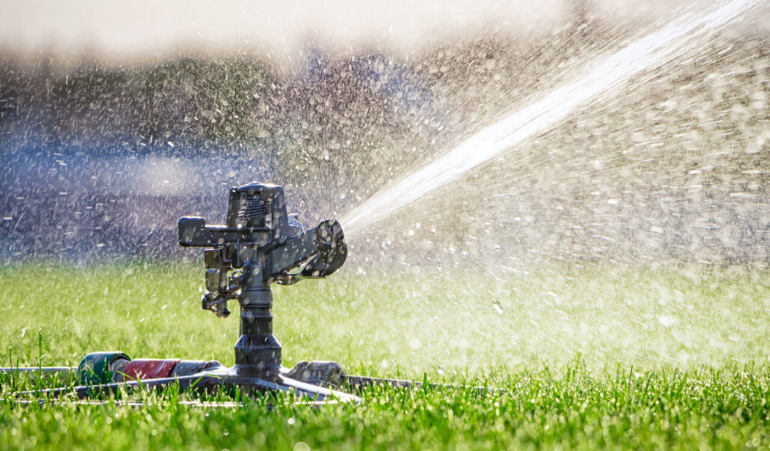
Another type is spray irrigation systems. These systems are used to irrigate large areas by spraying water in the form of a fine mist. Suitable for lawns and large gardens. Spraying systems ensure that an even amount of water is distributed to each point of the plants.
Finally, sprinkler irrigation systems simulate the natural rain effect. These systems are used in large areas such as fields and orchards. When choosing between different irrigation systems, factors such as the size of the area, plant species, and water supply should be considered.
How Do Automatic Irrigation Systems Work?
The principle of operation of automatic irrigation systems consists of a set of valves that are managed by a control unit. The control unit opens and closes the valves according to the predetermined program, thereby allowing water to flow for a certain period of time. These units are usually programmable and can be adjusted to the user's needs.
Many automatic irrigation systems are equipped with sensors. By measuring soil moisture or weather conditions, these sensors determine when irrigation is necessary. For example, rain sensors can stop watering when it rains. Such smart systems ensure more efficient use of water and avoid unnecessary irrigation.
Automatic irrigation systems can also include components that can switch between different irrigation methods. Users can choose between different methods, such as drip irrigation, spraying, or sprinkling. This flexibility makes it easier for the system to adapt to different plant species and areas.
Materials Needed for Automatic Irrigation Systems
When installing an automatic watering system, certain materials are needed. First of all, a control unit is required. This unit manages the irrigation schedule and controls the opening and closing of valves. Thanks to its programmable features, it allows users to set specific time frames.
Irrigation pipes and fittings are other important components that allow water to reach the plants. The fact that the pipes are made of quality materials ensures the longevity of the system. In addition, the correct placement of the pipes ensures an even distribution of water.
Finally, irrigation heads and valves allow water to reach the plants. Drip irrigation heads allow water to reach the plant roots directly, while spray heads cover large areas. Valves, on the other hand, control the flow of water and direct it to the desired areas. The quality and durability of these materials ensures the efficient operation of the system.
Automatic Irrigation Systems Installation Process
The installation of an automatic irrigation system requires careful planning and implementation. The first step is to make a detailed map of the area to be irrigated. This map should include factors such as plant species, the size of the area, and the water source. This information guides the design of the system and helps to select the most appropriate solution.
During installation, it is important to place the irrigation pipes and position the headers. Correct placement of pipes ensures an even distribution of water. The position of the heads, on the other hand, allows the plants to take water in the most efficient way. At this stage, careful control of every detail is critical to the effectiveness of the system.
In the final step, the control unit needs to be programmed and tested. The unit must be adjusted according to the set schedule and ensure that the system is working correctly. During the testing process, the functionality of the sensors and valves must be checked and the necessary adjustments must be made. Thus, automatic irrigation systems meet the needs of users in the best way and contribute to the healthy growth of plants.